
Few experiences in fitness are as sudden or agonizing as a muscle cramp. You are in the middle of a run, a heavy lift, or a long bike ride when, out of nowhere, your calf or hamstring violently locks into a rock-hard, involuntary knot.
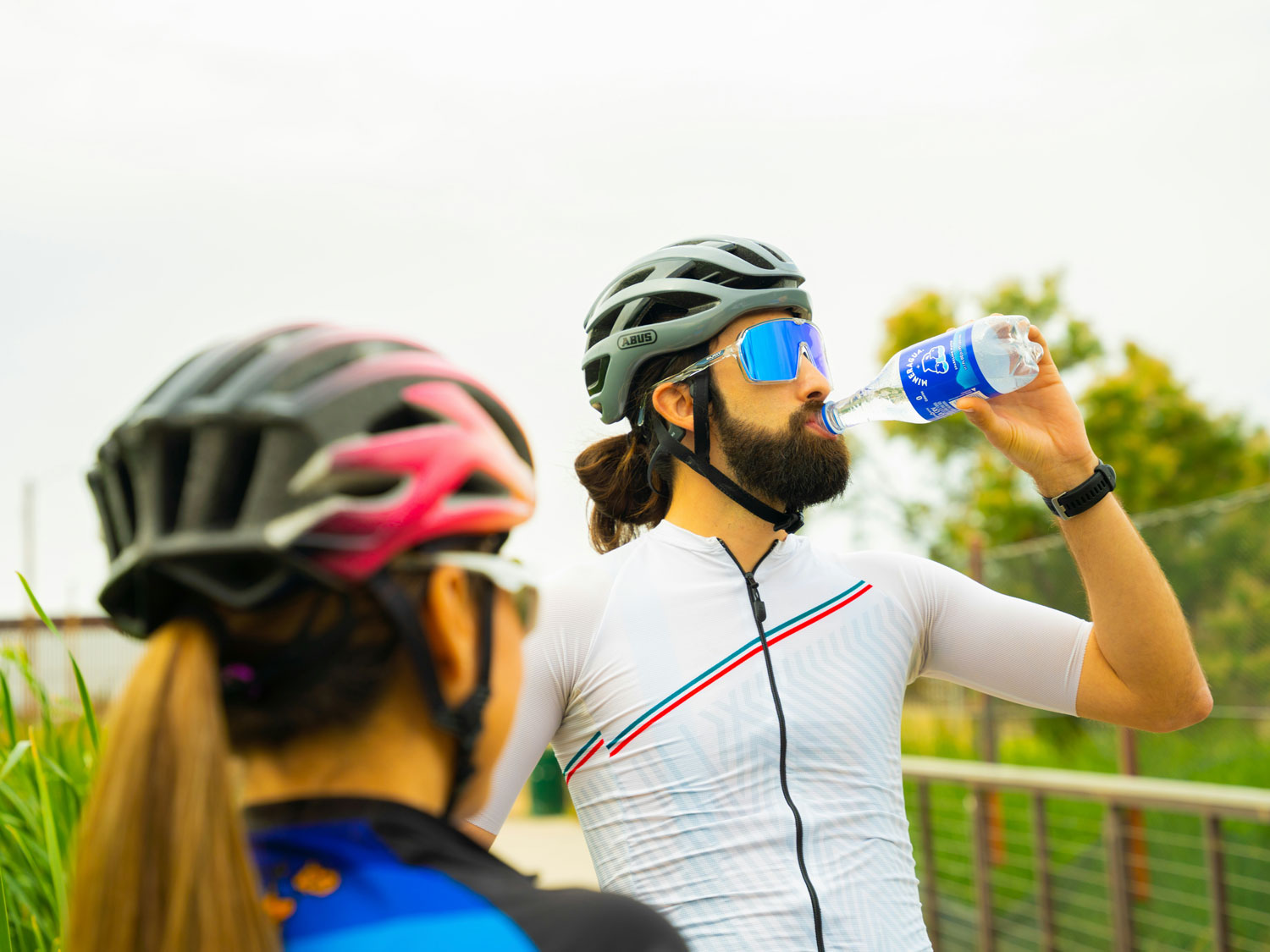
For decades, standard gym wisdom offered a simple, one-size-fits-all solution: “You’re dehydrated—go chug a bottle of water.”
It sounds logical enough. But if you’ve ever tried to drown a severe muscle cramp with plain water, you already know the frustrating truth: it rarely works. In fact, gulping down massive amounts of plain tap water during a sweaty workout can actually make your cramps worse.
To fix muscle cramps for good, we need to move past outdated hydration myths and look at what is actually happening inside your body: a combination of diluted salt levels and fatigued nerve signals.
Myth #1: Cramps Are Just “Dehydration”
The Reality: You Are Washing Away Your Salt
Your muscle cells rely on electricity to contract and relax. That electrical system depends on minerals called electrolytes—with sodium (salt) playing the lead role.
When you work out hard, you don’t just sweat out pure water; you sweat out a mixture of water and salt.
Here is where the plain water trap catches people: when you sweat heavily and drink only plain water, you dilute the remaining salt concentration in your bloodstream.
Without enough sodium in the fluid surrounding your muscle cells:
- The electrical signals across the cell membranes become unstable.
- The nerves supplying the muscle begin misfiring spontaneously.
- The muscle short-circuits, collapsing into a sustained, painful spasm.
Drinking plain water when your sodium is already low doesn’t fix the chemical balance—it waters it down even further.
Myth #2: Cramps Are Purely a Chemical Problem
The Reality: Your Muscle “Brakes” Have Worn Out
Electrolytes are only half the picture. The majority of exercise-related cramps are actually caused by neuromuscular fatigue—meaning your nervous system gets tired and loses control of the muscle.
Inside every muscle, your brain maintains a balance using two main safety sensors:
- The Accelerator (Muscle Spindles): Sensors that detect when a muscle is stretching and tell it to contract so it doesn’t tear.
- The Brakes (Golgi Tendon Organs): Sensors in your tendons that monitor tension and tell the muscle to relax when force gets too high.
When a muscle becomes severely fatigued, this feedback loop breaks down. The accelerator gets stuck down, while the brakes fail. Without the sensory brake telling the muscle to relax, your nervous system sends a continuous stream of electrical commands to keep contracting, freezing the muscle in a shortened position.
3 Actionable Steps to Stop Cramps in Their Tracks
- Add Sodium to Your Water: If your workouts last longer than an hour or happen in hot weather, plain water isn’t enough. Use an electrolyte mix or tablet containing 300–500 mg of sodium per serving to match what you lose in sweat. This is the entire concept behind sports drinks like Gatorade
- Force the “Brakes” Back On: When a cramp strikes, passively stretch the muscle right away. Pulling the muscle taut puts mechanical tension on the tendon, forcing the GTO “brakes” to wake up and send an emergency signal to the brain to shut off the contraction.
- Use the “Pickle Juice” Trick: Sip a shot of pickle juice or mustard if a cramp won’t quit. The high levels of sodium help to give you a quick shot of what your body is craving. Too much will upset your stomach so just a small amount will do.
If cramping is a chronic problem for you, dietary intake may need to be checked by a professional to make sure you are not lacking in any other essential vitamins or minerals. Book an appointment with Ben (Sports Dietician) at ISP for a detailed assessment.