
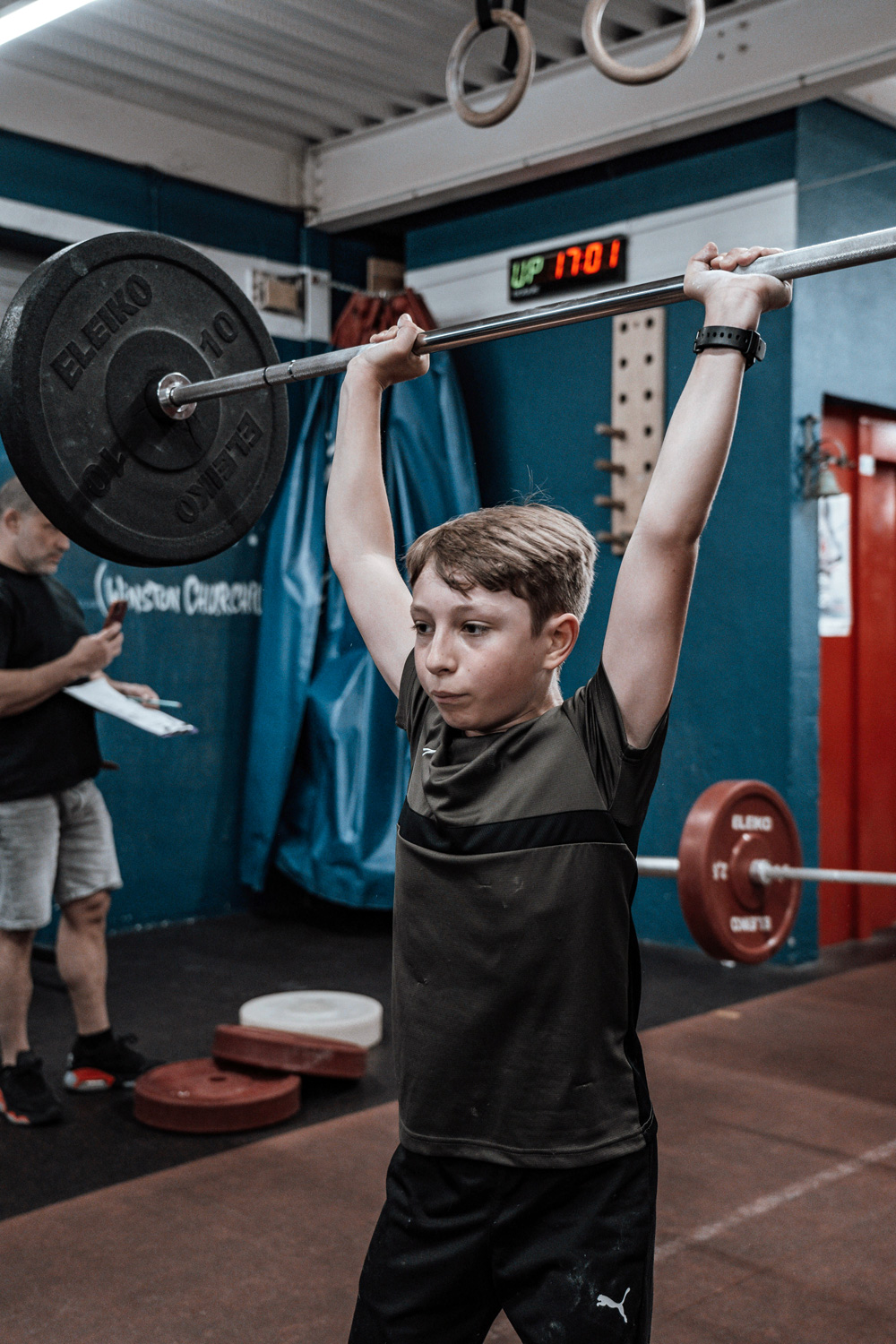
For decades, well-meaning parents and coaches have echoed a persistent warnings: “Don’t let kids lift weights—it will damage their growth plates and stunt their height.”
This persistent myth has kept generations of young athletes out of the weight room. However, major sports medicine and pediatric organizations—including the American Academy of Pediatrics (AAP) and the National Strength and Conditioning Association (NSCA)—unanimously agree that properly supervised strength training is not only safe for children, but highly beneficial.
It is time to dismantle the persistent myth once and for all and establish clear, safe guidelines for youth strength training.
The Origin of the Myth (and What Science Actually Says)
The idea that weightlifting stunts growth stems from outdated concerns regarding epiphyseal plates (growth plates)—the soft areas of cartilage located at the ends of long bones in developing children. Because growth plates solidify only after puberty, early researchers worried that heavy loading could fracture these zones, premature closing them and halting linear bone growth.
Modern biomechanical research paints a very different picture.
Growth plate injuries can occur, but they almost exclusively stem from high-impact sports collisions, falls, or poor lifting technique coupled with unsupervised, excessive loads. In fact, running, jumping, and landing on a soccer or basketball field subjects joints to reaction forces up to 5 to 7 times body weight—significantly higher than the controlled, progressive forces of resistance training.
Far from stunting growth, structured resistance training actually stimulates bone mineral density and strengthens connective tissue, rendering young athletes more resilient to injury on the playing field.
Benefits Beyond Muscle
Youth strength training isn’t about building massive hypertrophy; prepubescent children lack the hormonal profile (specifically testosterone) to build large muscle mass. Instead, strength gains in kids come from neuromuscular adaptations—their brains get better at recruiting muscle fibers efficiently.
Key benefits include:
- Injury Prevention: Stronger tendons, ligaments, and core stabilizer muscles protect against overuse injuries and joint sprains.
- Improved Motor Skill Coordination: Resistance exercises teach body awareness, balance, and fundamental movement patterns (squatting, hinging, pushing, pulling).
- Enhanced Athletic Performance: Improved force production translates directly to faster sprinting speeds and higher vertical jumps.
Establishing Safe Age Thresholds and Rules
When is a child ready to start? Age is less about the date on a birth certificate and more about emotional and cognitive maturity.
The Readiness Rule: Age 7–8
A general rule of thumb is that if a child is ready to participate in organized team sports (typically around 7 or 8 years old), they are ready for introductory strength training. The primary prerequisite is that the child can follow directions and adhere to safety rules.
Guidelines for Safe Implementation
- Prioritize Technique Over Load: Bodyweight exercises (push-ups, bodyweight squats, plank variations) and light resistance bands should form the foundation. Free weights or light medicine balls are introduced only after movement patterns are mastered.
- Strict Supervision is Mandatory: Children should never train unsupervised. Qualified coaches or parents must ensure proper form and prevent ego-driven max-effort attempts.
- Avoid One-Rep Max (1RM) Testing: Kids should focus on higher repetition ranges (12 to 15 reps) with light-to-moderate resistance that permits fluid execution.
- Keep It Fun And Varied: Training sessions should be engaging, integrative, and well-rounded, avoiding early specialization or burnt-out schedules.
- Stay Away From Social Media Trends: Lots of issues come when kids think that they should be doing a regiment that they have seen online. These are typically not the best routines to begin with let alone designed with the specific age group in mind to minimize the risk.
Lift the fear, not the progress. When approached with proper supervision, age-appropriate progression, and an emphasis on technique, strength training is one of the safest and most impactful investments you can make in a young person’s physical health. The Sports Physiotherapy as well as the Strength and Conditioning specialist at the Institute for Sports Physiotherapy and Performance are always here and ready to guide you and your child through these developmental times.