
If you’ve spent any time in a gym, wellness studio, or physiotherapy clinic recently, you’ve almost certainly heard the word fascia. From fascia-blasting tools and high-density foam rollers to specialized “fascial mobility” classes, it has quickly become one of the fitness industry’s favorite buzzword.
Strip away the marketing fluff, however, and you uncover one of the most fascinating anatomical systems in the human body: a continuous, dynamic matrix that fundamentally changes how we understand movement, force transmission, and injury.
What Exactly Is Fascia?
For centuries, traditional anatomy textbooks treated fascia as simple “packing material”—an inert biological wrap to be dissected away so students could study muscles, bones, and organs.
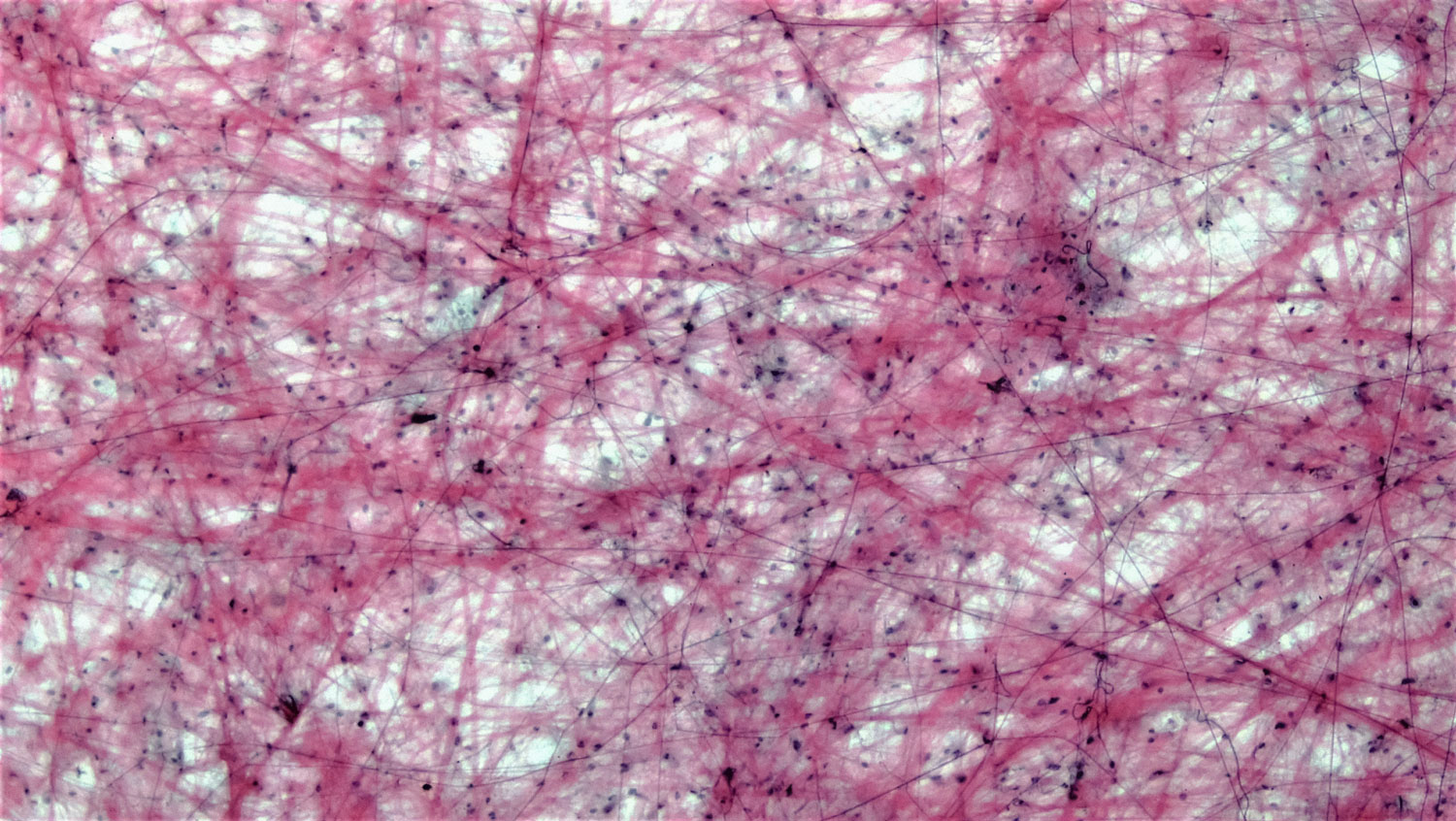
In reality, fascia is an interconnected, three-dimensional web of collagen fibers, elastin, and fluid-rich ground substance that envelopes every single muscle fiber, nerve, organ, and bone in your body. Rather than a collection of 600 individual muscles acting in isolation, your body operates as a single, continuous fascial network.
Think of it like a seamless, body-wide wet suit. If you pull on the fabric at the right shoulder of a wet suit, you feel the tension ripple diagonally across the back down to the left hip. That tension transfer is precisely how your body moves in the real world and can create both stability and force at the same time.
The Cross-Body Connection Example: Linking Shoulder to Opposite Hip
To see fascia in action, consider how you walk, run, or throw a ball. You don’t move in isolated vertical lines; you move in diagonal, rotational patterns. This is made possible by continuous fascial highways known as myofascial slings.
One of the most powerful pathways is the Posterior Oblique Sling, a fascial bridge connecting your upper body to your lower body across your back:
The Latissimus Dorsi of your upper/mid back anchors at your arm and shoulder joint. As it travels down towards the lower back it connects into the Thoracolumbar Fascia which isdense diamond-shaped sheet of fascial tissue over your lumbar spine. Directly opposite from the lats and connecting into the thoracodorsal fascia is the Gluteus Maximus. The broad fascial fibers of the latissimus cross over this lower-back sheet and blend directly into the connective tissue of your opposite glute.
When you push off your right foot while running, your right glute contracts. That force doesn’t stay in your hip; it travels through the thoracolumbar fascia directly into your left latissimus dorsi, pulling your left arm backward to counterbalance the stride.
This fascial cross-bracing acts like a giant rubber band. It stores elastic energy as you twist and releases it as you spring forward, allowing you to move with maximum efficiency and minimal muscular effort.
Why This Matters for Your Movement and Pain
Understanding this connected matrix changes how we address movement and injury:
- Pain isn’t always where the problem is: Persistent right shoulder tightness might actually stem from a restricted left hip that isn’t pulling its weight in the sling, forcing the opposite shoulder to overwork.
- Hydration dictates mobility: Healthy fascia relies on water to slide smoothly. Dehydrated or immobile fascia grows stiff and forms sticky adhesions, restricting movement across the entire diagonal chain.
- Dynamic, multi-planar training wins: Isolating single muscles on gym machines ignores the fascial web. Rotational, multi-directional movements keep the matrix resilient, supple, and strong.
By shifting your focus from individual muscles to the integrated fascial web, you stop working against your anatomy and start moving the way your body was designed to. There are countless fascial slings in the human anatomy and what was outlined above is just one of the easier examples to understand. The specialized clinicians at the Institute for Sports Physiotherapy have decades of combined experience treating this complex and relatively understudied systems. Book an assessment today and see the difference for yourself.