
Imagine waking up with a shoulder so stiff and painful you can’t even reach for your morning coffee. For many, this isn’t just a simple strain; it’s calcified tendinopathy (or calcific tendonitis). It is one of the most frustrating conditions for athletes and desk-workers alike because it feels like your body is literally working against you.
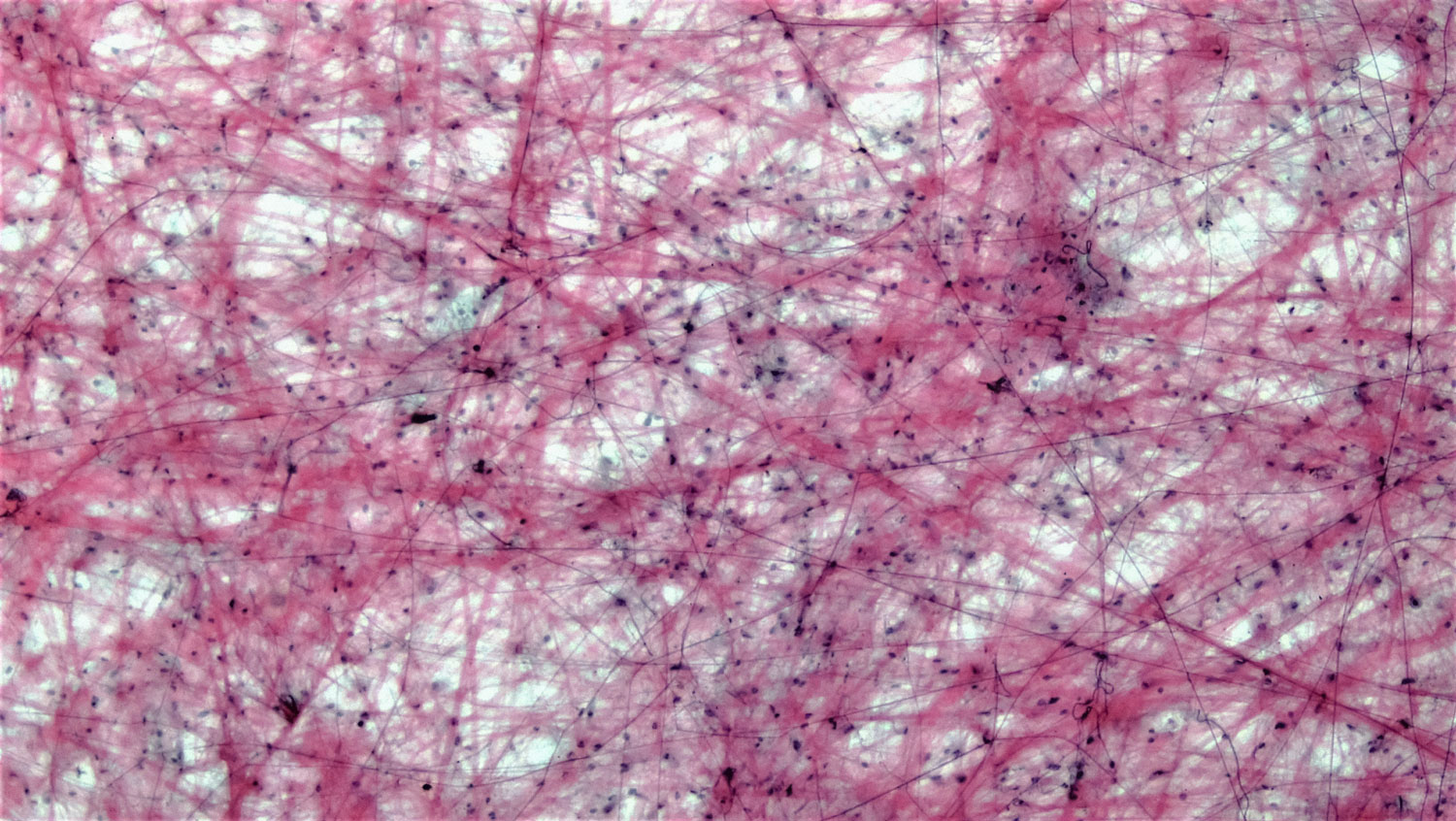
At its core, calcified tendinopathy occurs when calcium hydroxyapatite—essentially bone-like calcium deposits—forms within the fibers of a tendon. While it most commonly strikes the rotator cuff in the shoulder, it can also plague the Achilles or the patellar tendon.
Why Does It Happen?
Contrary to popular belief, this isn’t usually caused by “too much calcium” in your diet. Instead, it’s a cellular misfire. Whether due to chronic wear-and-tear, poor blood supply, or metabolic changes, the body’s healing process gets confused. Instead of repairing a micro-tear with healthy collagen, it deposits calcium which slowly accumulates over months, years or even decades.
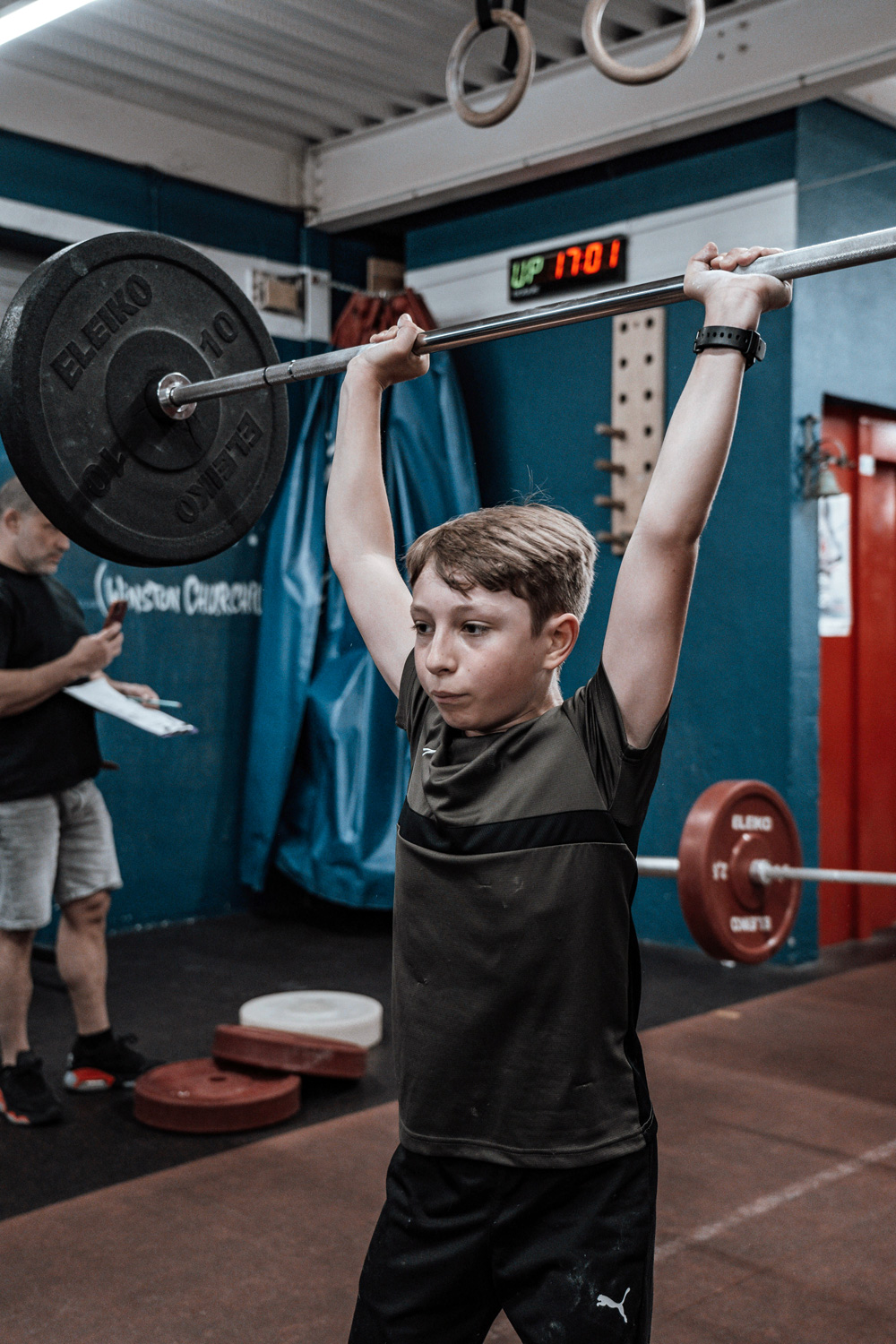
For the high-level athlete, this is a performance killer. It creates a physical “bump” in the tendon that causes mechanical impingement, making explosive movements or overhead reaches feel like a knife-stab. For the everyday person, it often manifests as a dull, constant ache that makes sleeping on one’s side nearly impossible after something as simple as an intense gardening session.
The Game Changer: Extracorporeal Shockwave Therapy (ESWT)
In the past, the only solutions for severe calcification were “wait and see,” cortisone shots (which often weaken the tendon further), or invasive surgery. Enter Shockwave Therapy.
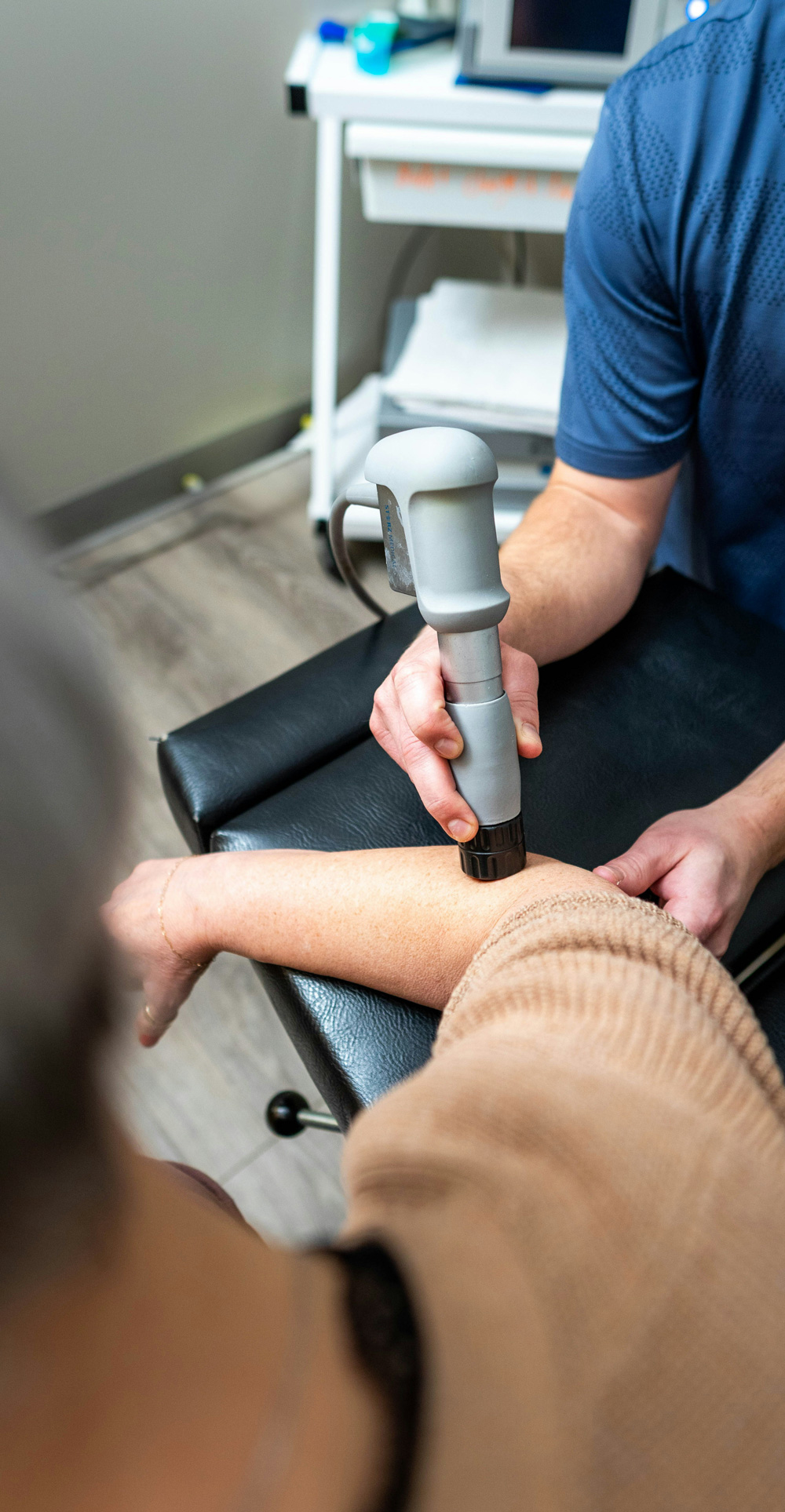
ESWT is a non-invasive treatment that sends high-energy acoustic pressure waves into the affected tissue. Shockwave was originally used in the renal department to “blast” kidney stones but here is how it helps resolve calcified deposits in the tendons:
- Mechanical Fragmentation: The shockwaves create “micro-trauma” to the calcium deposit. This physical energy helps break the hard, chalky buildup into smaller, softer fragments.
- Biological Reabsorption: By irritating the area in a controlled way, shockwave therapy triggers a massive inflammatory response. This sounds counterintuitive, but it “re-starts” the healing process, signaling the body to send macrophages (cleanup cells) to reabsorb the broken-down calcium.
- Neovascularization: The waves stimulate the growth of new, tiny blood vessels (angiogenesis). Better blood flow means more nutrients can reach the tendon, allowing it to finally heal with healthy tissue instead of “stone.”
What to Expect
Unlike a relaxing massage, shockwave therapy can be uncomfortable. It’s often described as a “repeated tapping” or “jackhammer” sensation. However, for both the elite athlete looking to avoid surgery and the office worker seeking a night of pain-free sleep, the results are hard to argue with. Most patients require 3 to 5 sessions, and studies show a success rate of over 70-80% for resolving calcific deposits.
The Professional’s Perspective: Shockwave isn’t a “magic wand.” It works best when paired with a progressive loading program. Once the shockwave breaks down the “boulder” in your tendon, you must strengthen the muscle to ensure the calcium doesn’t have a reason to return.
The Institute for Sports Physiotherapy and Performance has a state of the art shockwave machine that we use everyday to help patients with a variety of issues. Give us a call today (519-258-4777) and we will be happy to answer your questions.