

It is the great trap of physical rehabilitation: the moment the throbbing stops, the swelling subsides, and you can walk without a limp, you assume the injury is a thing of the past. You lace up your cleats or head back to the squat rack, only to feel that familiar “pop” or “tweak” ten minutes later.
Understanding the timeline of soft tissue healing—and why your pain is lying to you—is the difference between a successful comeback and a chronic cycle of re-injury.
The Three Phases of Healing
Soft tissue (muscles, tendons, and ligaments) doesn’t just “knit” back together overnight. It follows a biological roadmap that cannot be rushed.
1. The Inflammatory Phase (Days 1–6)
Immediately after injury, your body sends a “cleanup crew” of chemicals to the injury site. This phase is characterized by redness, heat, and—most importantly—pain. This pain is a biological safeguard designed to keep you from moving the injured area and doing more damage.
2. The Proliferation Phase (Weeks 1–6)
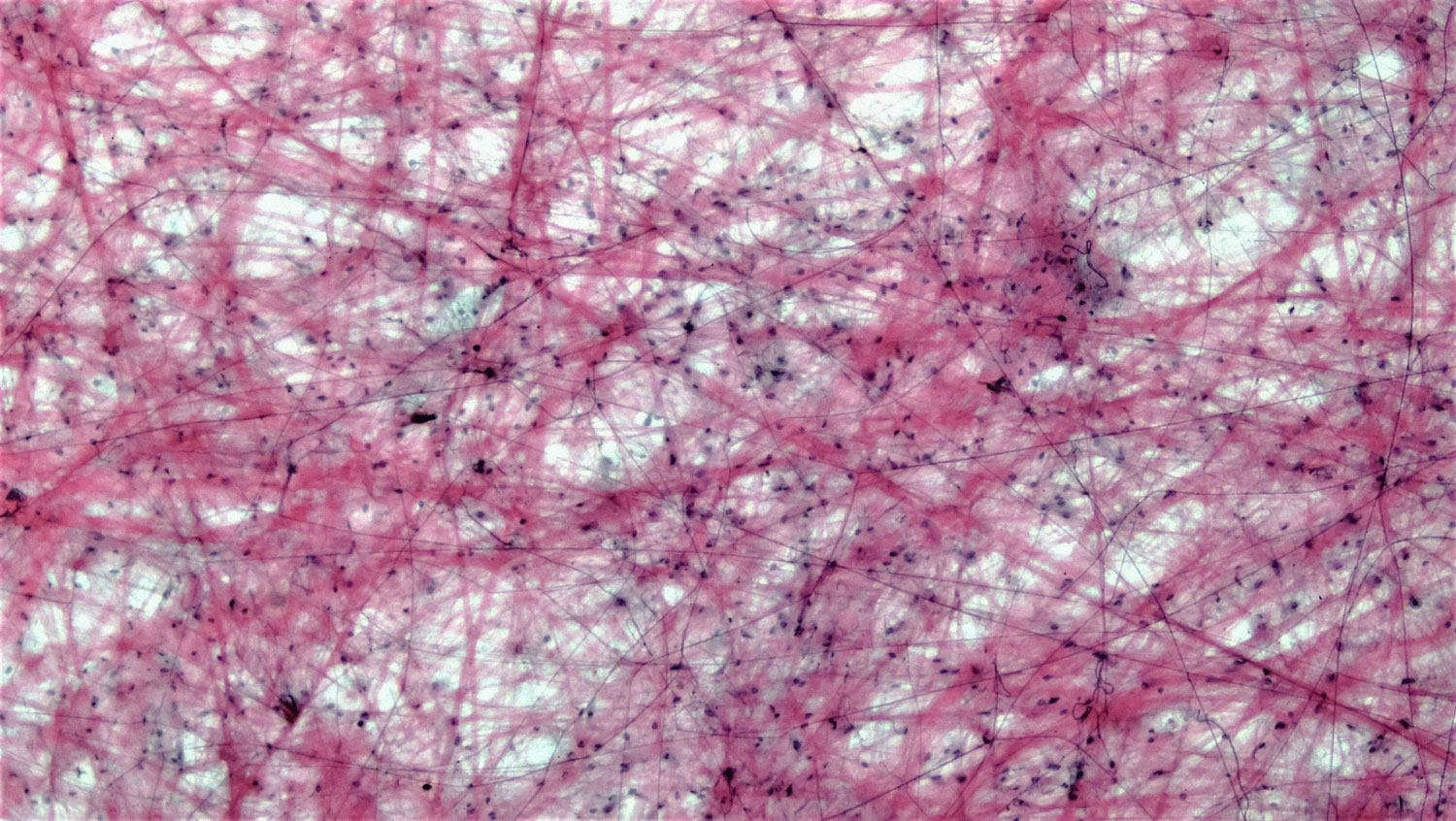
This is the construction phase. Your body begins laying down new tissue, specifically collagen. However, this new tissue is “type III collagen”—it’s messy, disorganized, and mechanically weak. Think of it like a temporary scaffolding to allow the real repair to happen next.
This little bit of stability and reduction in inflammatory chemicals is why most pain begins to resolve around the 4-6 week mark after an acute injury. Shortly after this is where most people re-injure themselves and turn a simple tissue injury into a chronic problem.
3. The Remodeling Phase (6 Weeks to 1 Year+)
This is the longest and most critical phase. The body slowly replaces that weak collagen with “type I collagen,” which is stronger and more organized. Crucially, the tissue must be “stressed” through gradual and progressive exercise to learn how to handle tension again.
Although this process is ongoing for up to a year, 12 weeks is the point where we can consider the hardware repaired. The remaining time primarily involves reinstalling and calibrating the software to learn how to properly use and take advantage of the new hardware.
Why the Absence of Pain is Deceptive
The nervous system is highly efficient. It usually shuts off the “pain alarm” once the initial inflammation is gone and the temporary “patch” (proliferation phase) is in place.
For the high-level athlete, this is the danger zone. Their cardiovascular fitness and muscular strength might still be high, but the internal structural integrity of the injured ligament or tendon is only at 30% to 50% of its original strength when the pain disappears. If they return to 100% intensity now, they are applying “Formula 1” torque to a “bicycle” frame.
For the everyday person, the “pain-free” stage often leads to “rehab apathy.” Once the back stops aching, the daily Physio exercises go out the window. Without completing the Remodeling Phase, the tissue remains brittle and unaligned, making a relapse almost inevitable during the next mundane task, like picking up groceries.
The Strategy for a Real Recovery
To ensure you aren’t just masking the problem, follow these rules:
- Load, Don’t Explode: Use the pain-free window to begin “loading” the tissue with slow, controlled resistance. This tells the body to align the new fibers in a way that handles the tension correctly.
- Sport-Specific Stress: Before returning to full play, an athlete must pass “exit criteria”—drills that mimic the speed and directional changes of their sport without a flare-up. Landing a controlled jump in a gym is very different than being thrown in the air, twisting 3 times and landing on a single leg while wearing figure skates.
- The 24-Hour Rule: If you try a new exercise and feel fine during it, but ache the next morning, you’ve exceeded your tissue’s current capacity. Scale back slightly and give the tissue time to strengthen before trying to progress again.
The Bottom Line: Pain is the first thing to leave, but the last thing to trust. Healing is a biological process, not an emotional one. Respect the timeline, or you’ll be forced to repeat it.
Are you currently dealing with a specific injury, or are you looking to build a more resilient training plan to avoid them in the future? Either way, the expert clinicians at the Institute for Sports Physiotherapy and Performance can guide you to achieve that goal.