
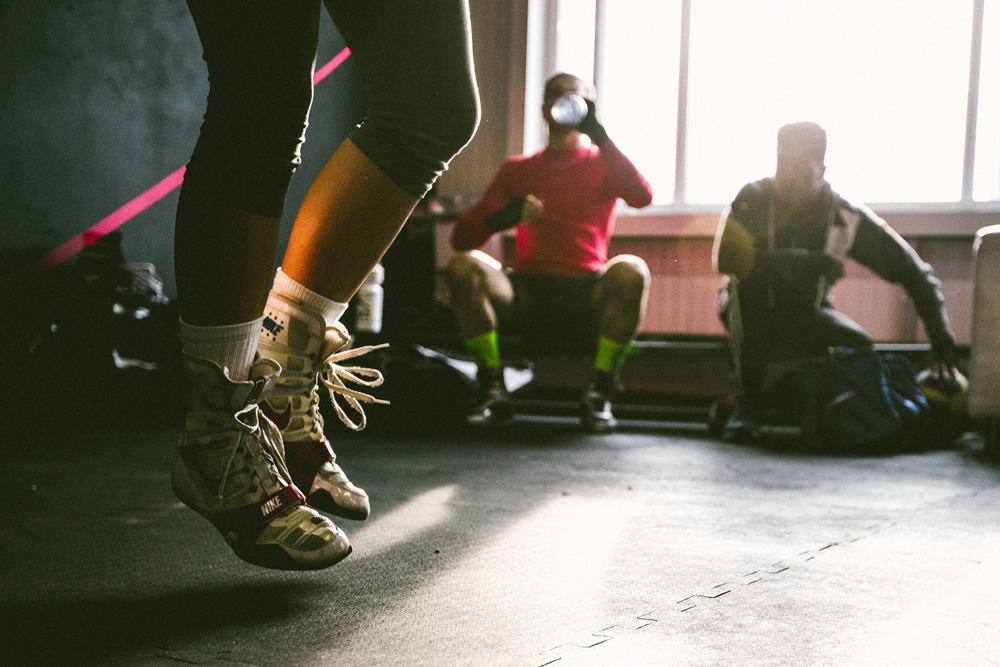
We’ve all seen it: the gym timer hits zero, or the final whistle blows, and athletes immediately collapse onto the grass or bolt for the locker room. After an intense session, the temptation to simply stop is overwhelming.
However, the transition from “peak effort” back to “resting state” is a critical window. A proper cool down isn’t just a suggestion; it is the bridge between the workout you just finished and the progress you hope to see tomorrow.
The Physiological Shift: From “Fight or Flight” to “Rest and Digest”
During exercise, your sympathetic nervous system is in the driver’s seat. Your heart is pumping blood to your extremities, and your stress hormones (like cortisol and adrenaline) are spiked. A structured cool down facilitates the venous return of blood to the heart and signals your parasympathetic nervous system to take back control. This shift is what kickstarts the recovery process before you’ve even left the gym.
The Two-Step Cool Down Strategy
1. The Active Flush (Low-Intensity Movement)
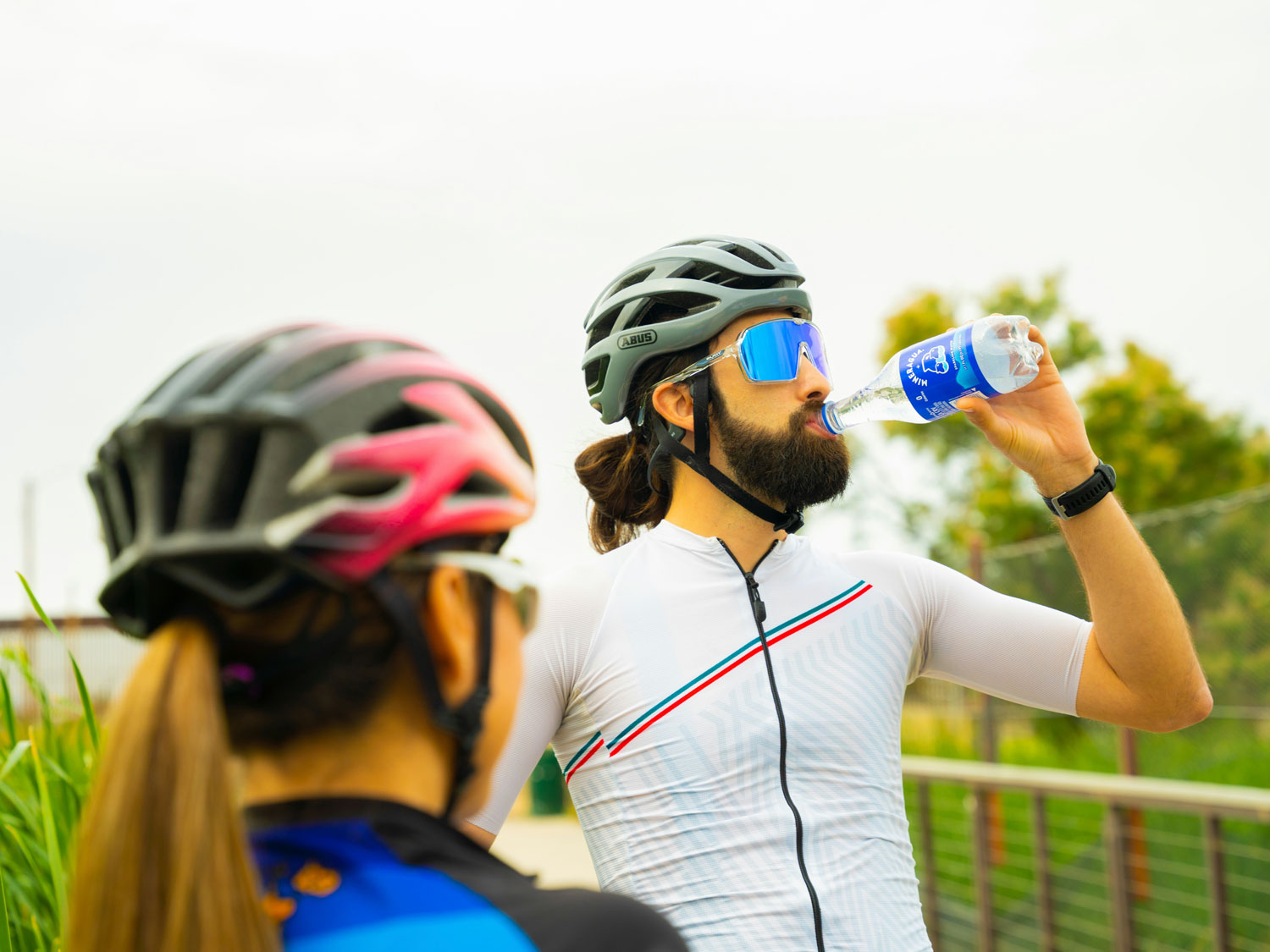
Instead of sitting down immediately, spend 5–10 minutes in very low-intensity motion. For a high-level athlete, this might be a slow jog or “flushing” on a bike. For the everyday person, a brisk walk will suffice.
- The Benefit: This keeps circulation high enough to help clear metabolic byproducts (like lactate) from the muscle tissue, reducing that “heavy leg” feeling later in the day. This primes the stage for the body to repair and improve the tissue you just “damaged”
2. Static Stretching (The Right Time to Bend)
Remember how we avoided static stretching in the warm-up? Now is stretching’s time to shine. When your muscles are warm and pliable, holding a stretch is safest and most effective.
- For the Athlete: Focus on the specific “prime movers” used in the session (e.g., hip flexors for sprinters, chest and lats for swimmers).
- For the Everyday Person: Focus on “postural resets.” Since exercise is often a series of contractions, use the cool down to lengthen the muscles that get tight from sitting, such as the hamstrings and the upper traps.
Mental Decompression: The “CNS Reset”
The cool down isn’t just physical; it’s neurological. Elite athletes often use this time for focused breathing. By taking slow, diaphragmatic breaths (inhaling through the nose for 4 seconds, exhaling for 6), you tell your brain that the “threat” of the workout is over. This lowers your heart rate faster and helps reduce post-workout anxiety or “jitters.”
Practical Application: A 10-Minute Routine
If you’re short on time, this approach works for almost everyone:
- 4-5 Minutes: Easy walking or slow cycling (Heart rate reduction).
- 4-5 Minutes: Static stretching focusing on the hips, glutes, and shoulders.
- 1-2 Minute: Deep belly breathing while lying on your back (The CNS Reset).
The Pro Tip: Think of your workout like a flight. You wouldn’t want a pilot to just shut off the engines while at 30,000 feet; you want a controlled descent and a smooth landing so the next day the plane can take off again. The cool down is your landing gear.
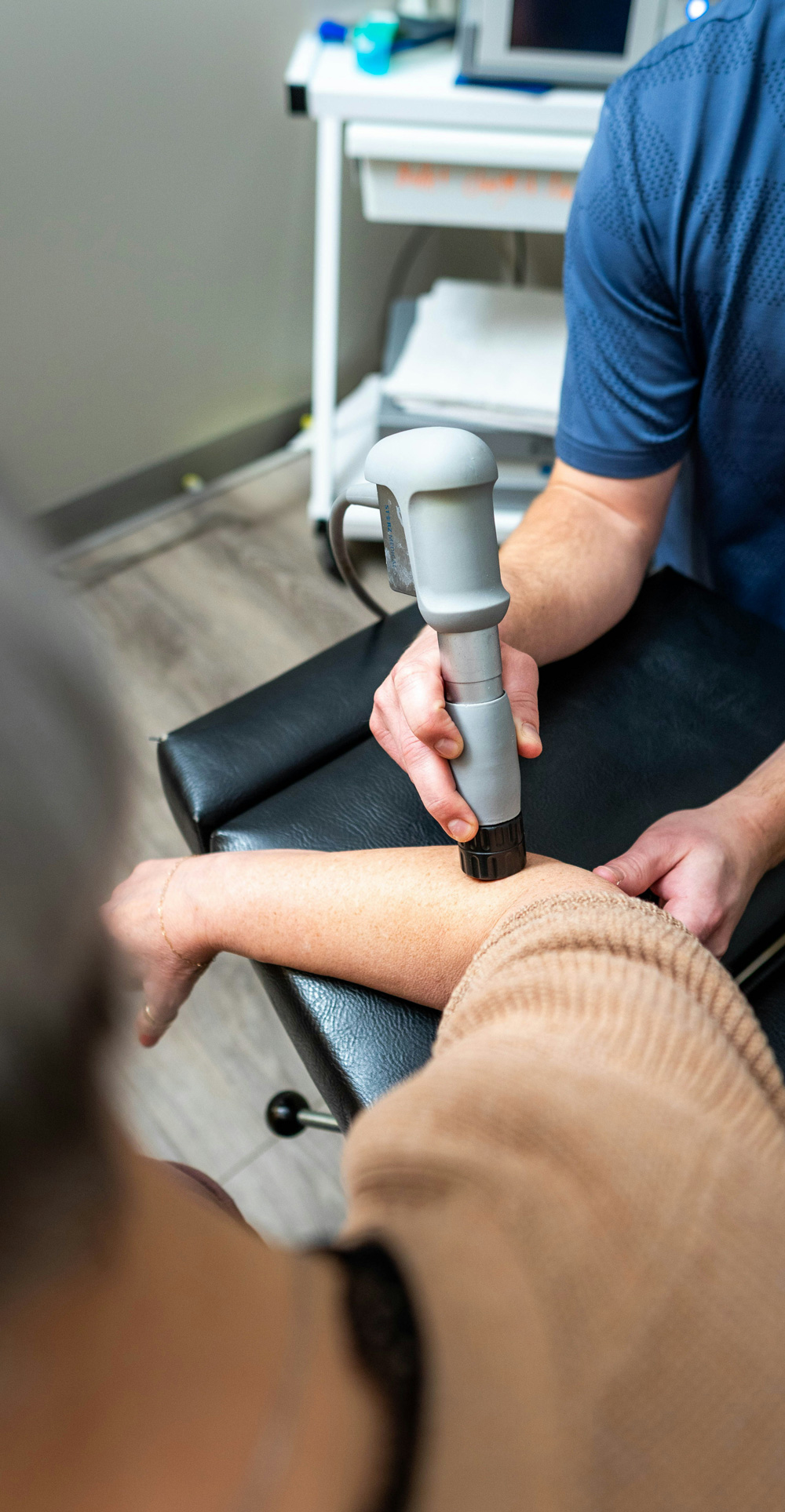
If you are noticing those small persistent issues that don’t seem to improve regardless of how much you stretch, it is likely a symptom and not the problem. Book an appointment at the Institute for Sports Physiotherapy to let one of our expert clinicians assist you in tracking down the problem in order to improve your sports performance.