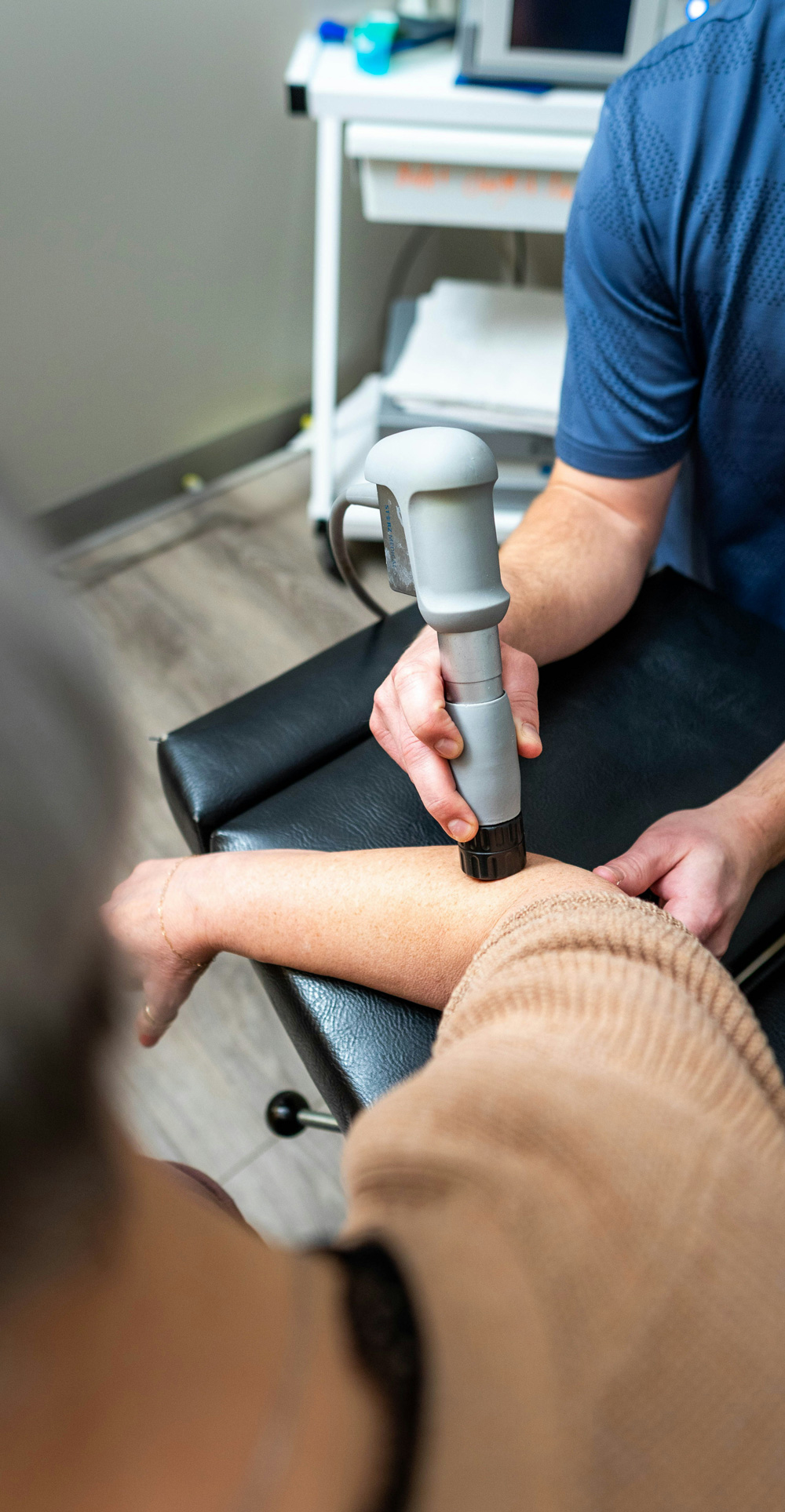

You’ve made the commitment to prioritize your health. You booked an appointment, met with your physiotherapist, and went through a thorough assessment. Your therapist used hands-on manual therapy to loosen up your tight joints, gave you a clear breakdown of what’s wrong, and you walked out of the clinic feeling noticeably better. This is how the process begins when you see one of the expert clinicians at the Institute for Sports Physiotherapy and Performance.
Then you get an email from the clinic outlining the dreaded Home Exercise Program (HEP).
It is easy to view these take-home exercises as “optional homework.” In reality, your HEP is the single most critical factor determining how quickly—and how permanently—you recover. Here is the honest truth about why consistency with your home exercises is the true secret to getting better.
The 1-Hour vs. 167-Hour Reality Check
Let’s look at the math. A standard physiotherapy session lasts about 30 minutes. Even if you are a dedicated patient who comes into the clinic twice a week, that is only 1 hour of professional intervention.
There are 168 hours in a week. That leaves 167 hours where you are on your own.
The stretching, strengthening, and movement retraining done inside the clinic walls are designed to catalyze change. However, your body adapts to what you do most frequently. If you spend two hours a week doing therapeutic movements, but spend the other 166 hours sleeping, slouched at a desk or moving with poor mechanics, those old, painful habits will win. Your HEP bridges the gap, ensuring your body receives the regular, correct stimulus it needs to overwrite old patterns.
Neuroplasticity and Tissue Healing Require Repetition
Whether you are recovering from a sports injury, managing chronic back pain, or rehabbing after surgery, your body relies on two major processes to heal: tissue remodeling and neuroplasticity.
- For your muscles and tendons: Tissues need consistent, incremental stress to grow stronger and more resilient. Missing your exercises for days at a time halts this rebuilding process, forcing your tissues to start from scratch each time you remember to do them.
- For your nervous system: Pain changes how your brain communicates with your muscles, often causing stabilizing muscles to “shut off.” Re-educating your nervous system requires frequent, mindful repetition. Think of it like training a puppy to not pee in the house, learning a new language or playing an instrument; practicing for 10 minutes every day is infinitely better than practicing for 70 minutes once a week.
Accumulating Micro-Wins for Long-Term Relief
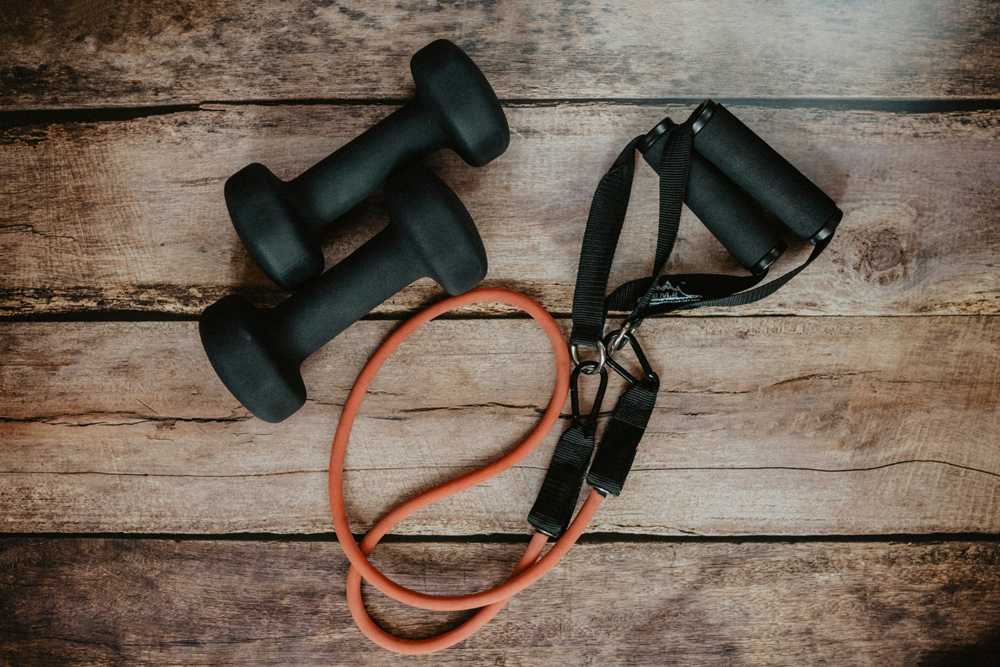
We get it—life is incredibly busy. Finding 15 to 20 minutes a day to lie on the floor with a resistance band or a ball can feel like a chore. But consistency doesn’t require perfection. It requires a commitment to accumulating small, daily “micro-wins.”
When you consistently perform your HEP, you aren’t just treating today’s ache. You are building structural durability, correcting the root biomechanical flaws, and bulletproofing your body against future flare-ups.
Take control of your recovery. Your physiotherapist is your coach and guide, but you are the athlete. The next time you look at your HEP, remember that it isn’t just a list of chores—it is your customized roadmap to a pain-free life. Commit to the process, do the reps, and watch how quickly your body responds!