

The snow is gone, the days are lengthening, and that familiar itch is back—the urge to dust off the clubs and head to the first tee. But before you unleash that monster drive you’ve been visualizing all winter, take a moment to consider your body. Golf, despite its relaxed reputation, places unique, explosive demands on your musculoskeletal system, particularly into rotation. Jumping full force into a heavy playing schedule without preparation is a recipe for an early-season injury and added job security for your physiotherapist.
The Reality of the Golf Swing
A proper golf swing is a complex, total-body motion. It requires a sequence of power transfer starting from the feet, through the legs, rotating the hips and torso, and finally delivering force through the shoulders, arms, and wrists. If any link in that kinetic chain is weak, tight, or unstable, it puts excessive stress on other areas.
Winter hiatus often means reduced activity and prolonged sitting. Your core hip complex (your “powerhouse”) stiffens, your thoracic spine loses rotation, and your shoulders forget how to stabilize during high-velocity movements. When you suddenly ask that rusty chain to deliver several 100 km/h swings back-to-back, something has to give.
Common Early-Season Injuries
The most frequent complaints seen by Sports Physio’s and Athletic Therapist’s at the Institute for Sports Physiotherapy as the golfing season begins include.
- Lower Back Pain (LBP): The repetitive rotation and compression on the lumbar spine make LBP the most common golfing “injury”. It often stems from poor hip and thoracic mobility.
- Golfer’s Elbow (Medial Epicondylitis): This is inflammation on the inside of the elbow, often caused by over-gripping or hitting the ground too hard (a common early-season occurrence).
- Shoulder Impingement/Rotator Cuff Issues: The shoulder must move through an extreme range of motion during the backswing and follow-through. Weakness in the stabilizing muscles of the rotator cuff leads to irritation and pain.
- Hip and Knee Pain: The lead hip (left hip for a right-handed golfer) endures significant rotational forces. The knee acts as a stabilizer and can suffer if the hips lack sufficient mobility.
How Physiotherapy Can Help You Prep
Physiotherapy isn’t just for injury rehabilitation; it is essential for injury prevention. A pre-season assessment with a Sports Physio or Athletic Therapist is proactive maintenance. Your therapist can help you:
1. Identify Red Flags: Through a golf-specific movement screen, your physiotherapist will evaluate your mobility, stability, and strength imbalances before they cause an issue. They can tell you exactly why your left hip is tight and how it is affecting your lower back.
2. Develop a Targeted Program: Forget generic exercises. You will receive a personalized program focusing on optimizing your specific kinetic chain. This often includes:
- Mobility exercises for the thoracic spine and hips (your rotational hubs).
- Stability training for the core and scapula (to support your spine and shoulders).
- Glute and leg strengthening for a powerful foundation.
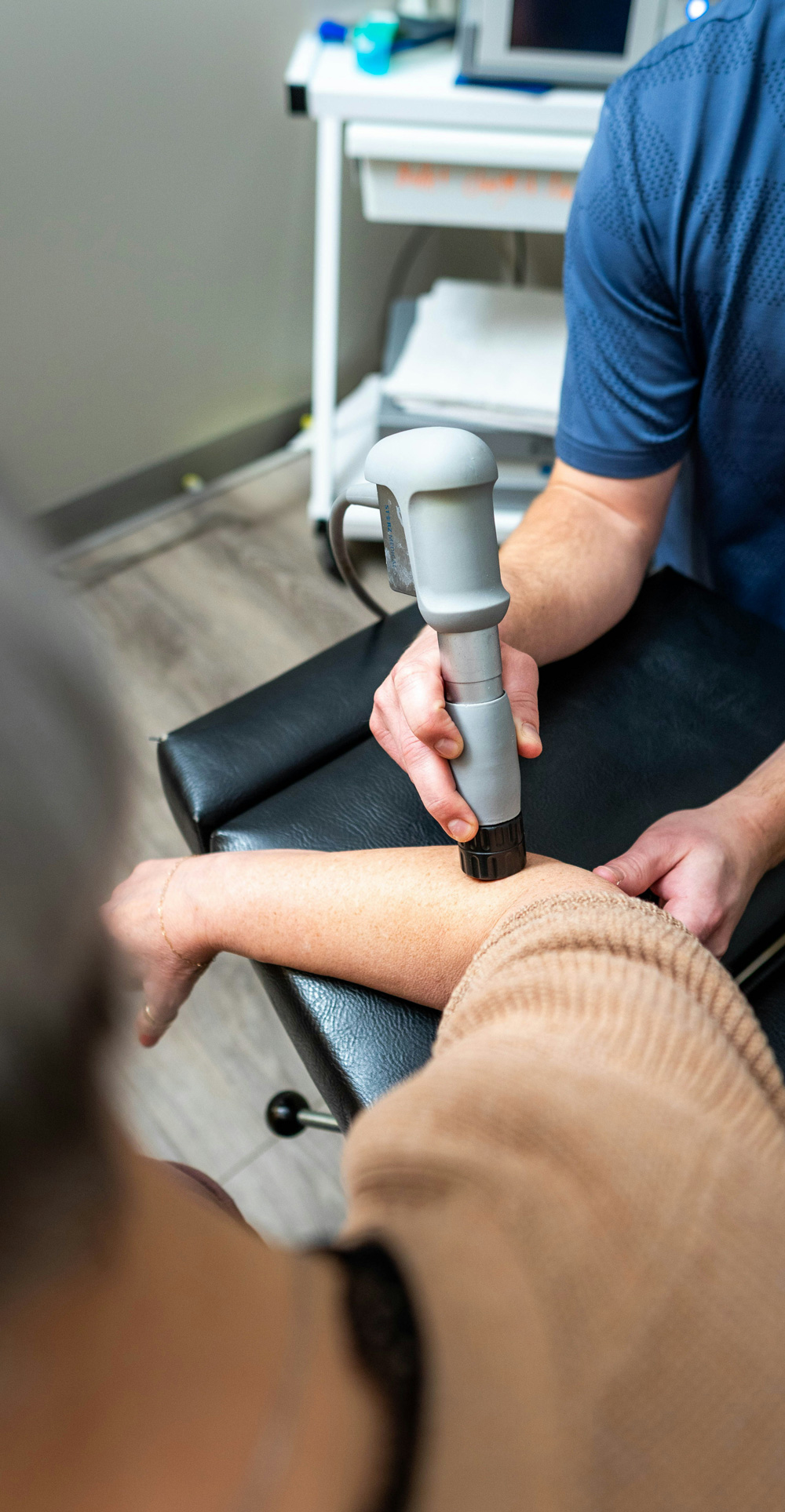
3. Optimize Recovery: If you are already dealing with a minor niggle from winter training, your physio can provide hands-on treatment (like soft tissue work or dry needling) and a recovery plan to get you 100% before opening day.
Ready to Play?
This spring, invest in your body before you invest in new gear. A few sessions with a James or Jennie can ensure your body is ready for the demands of the game. A powerful, painless swing is the foundation for your best season yet.
Give us a call at ISP today and let’s get ready to tee off, the healthy way.