
After an injury, the finish line feels like a specific date on the calendar. We count down the days until we can step back onto the field, return to the gym, or compete again. However, in sports medicine, the most dangerous thing you can do is rush back simply because a certain amount of time has passed.
True recovery isn’t about hitting a calendar date; it’s about meeting objective, functional benchmarks. Whether you are recovering from an ACL reconstruction or a soft tissue tear, your body must prove it is ready to handle the chaotic, high-intensity demands of your specific sport.
Beyond the Calendar: A Criteria-Based Approach
To ensure longevity and minimize the risk of re-injury, Sports Physiotherapist and Athletic Therapist utilize a rigorous “return-to-sport” (RTS) checklist. Moving through these stages requires a disciplined, evidence-based approach:
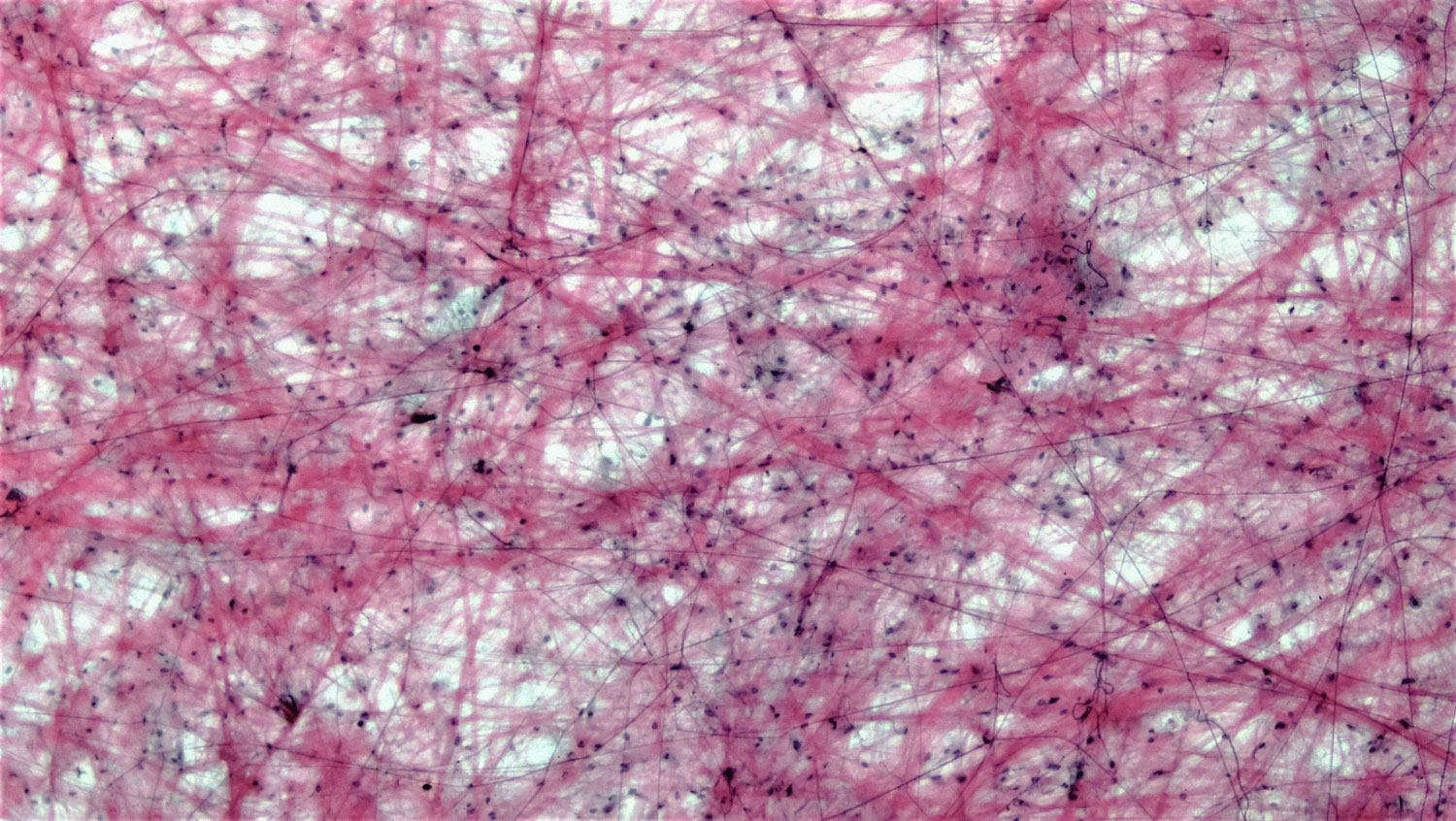
- Biological Healing: First, the time constraints for soft tissue healing must be met. Tissue needs time to mature and reorganize. Even if you feel “fine,” your body’s internal structures are still undergoing a critical maturation process.
- The Baseline Physicals: You must be pain-free and demonstrate full range of motion (ROM). If you have limited mobility, you are already compensating, which puts undue stress on other joints. Furthermore, there should be no persistent swelling following activity; swelling is the body’s way of saying, “I am not ready for this load.”
- Proprioception and Balance: Your brain needs to relearn how to position your joints in space. Good proprioception and balance are vital for protecting your joints during sudden pivots or landings.
- Strength, Endurance, and Flexibility: Your injured side must be nearly identical to your healthy side. A common gold standard is reaching 90% symmetry (contralateral strength) compared to the uninjured limb. Without this, your body will default to poor movement patterns. Additionally, your cardiovascular fitness must be at a level appropriate for your sport’s intensity to ensure you don’t fatigue and compromise your form late in a game.
- Skill and Biomechanics: Have your skills been fully regained? Can you perform at a high speed without persistent biomechanical abnormalities? For example, if your knee collapses inward (valgus) during a jump, you are at a significantly higher risk for re-injury, regardless of how strong you are.
The Mental and Coaching Component
Physiotherapy often focuses on the physical, but the final barriers are frequently mental and tactical.
- Psychological Readiness: An athlete must be psychologically ready. If you are constantly worrying about your injury, you will subconsciously protect that limb, which ironically changes your movement patterns and increases the risk of a new injury.
- Training Form: Finally, your coach must be satisfied with your training form. Being able to complete a drill is different from being able to perform within a team environment. You must prove you can integrate back into the team’s tactical flow without hesitation.
Returning to sport is a transition, not a switch. After hitting some key milestones, there should be a transition back to controlled training. This gradual re-introduction is part of the rehab process. By meeting all of the above criteria, you shift your mindset from merely “being back” to being ready to perform at your peak, safely and confidently with minimal risk of reinjury. This is what we strive for at the Institute for Sports Physiotherapy and Performance. It’s nothing personal, but after a long stint of rehab, we would prefer if you didn’t come back. (you are always welcome to stop in and say hi!)