
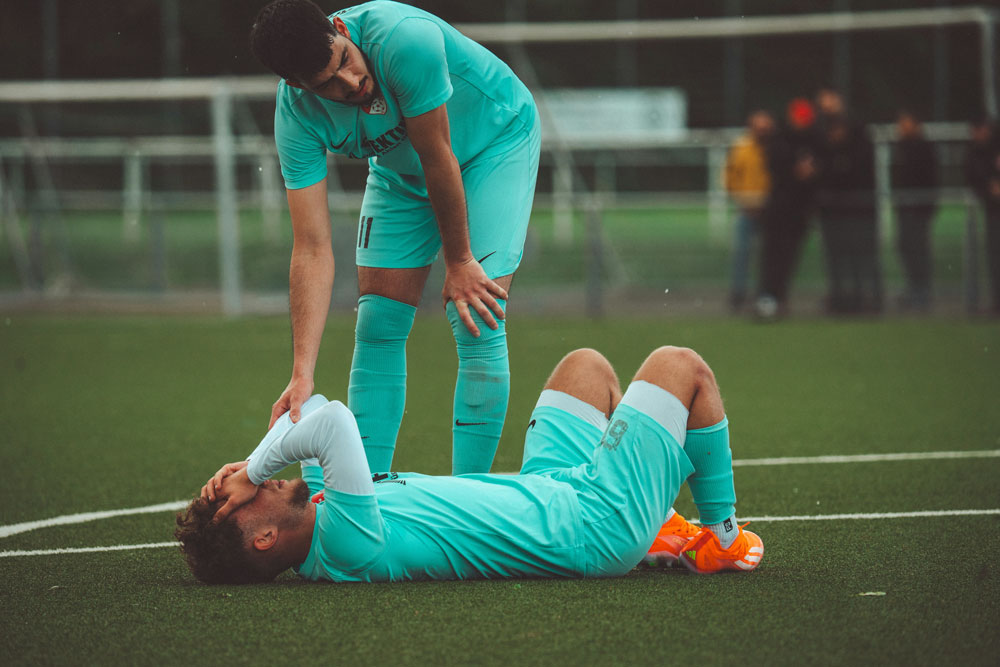
An ACL injury is one of the most challenging setbacks an athlete can face. The injury, the diagnosis, the wait for surgery, the physiotherapy, and the mental grind creates a long, demanding journey. Naturally, the most common question patients ask us is: “When can I play?”
The frustrating truth is that there is no universal “return to sport” date for a given injury. While you might see professional athletes return in six months, that is often not the safest or most realistic path for everyone. Outside of professional sporting organizations, this is exceptionally rare. ACL recovery is not a race; it is a physiological process that cannot be rushed.
The Myth of the “Six-Month Return”
For years, many protocols suggested a six-month return-to-play window. Modern orthopedic research has shifted significantly away from this. We now know that the biological graft—the new tissue replacing your ACL—needs time to mature, reorganize, and integrate into your bone.
Returning too early, even if you feel “fine,” drastically increases the risk of re-rupturing the graft. Instead of a calendar-based “time” approach, expert clinicians now emphasize criteria-based progression.
The Phases of Recovery
Your journey from surgery to the field is generally divided into several key milestones, rather than just weeks:
- Phase 1: Protection and Control (Weeks 0–6): Focus is on reducing swelling, regaining full knee extension (straightening the leg), and activating the quadriceps.
- Phase 2: Strength Foundation (Weeks 6–16): As the graft heals, the focus moves to building leg control and endurance. We need to reconnect your brain to the muscles and build good habits for controlling the limb to prevent re-injury. This stage will also begin your strengthening.
- Phase 3: Running and Agility (Months 4–6+): Once strength benchmarks are met, you progress to light jogging, followed by straight-line running and eventually agility drills. While we work on the agility and endurance, we are continuing to regain strength and challenge the brains control of the limb. You cannot return to sport if your surgically repaired leg is significantly weaker than your healthy leg.
- Phase 4: Return to Sport (Months 9–12+): This is the final frontier. You aren’t just “running”; you are demonstrating the ability to jump, land, cut, and pivot under high-intensity, reactive conditions. Finally we can get back out there…right?
The “Return to Sport” Checklist
The full return to sport decision is not one made lightly as it carries significant risk. There are a multitude of variables that are considered and each case is different. Our next blog post will go in depth about the return to play decision making process.
The Verdict
Returning to sport is about readiness, not just time. Research suggests that delaying return to sport until we are physically and physiologically ready decreases the risk of re-injury.
Your recovery is an investment in your athletic longevity and the clinicians at the Institute for Sports Physiotherapy and Performance want you to succeed and thrive in your return to sport. Trust the process, meet your strength markers, and ensure your brain is as ready as your knee. When you finally step back onto the field, you want to be able to play with full confidence, not caution.