

As autumn settles in, crisp golden leaves and cool breezes signal a familiar seasonal shift. However, along with pull-over sweaters and pumpkin spice comes another autumn arrival: a sudden spike in joint stiffness, muscle strains, and slip-and-fall injuries.
Cold and damp fall weather creates a unique combination of physiological changes and environmental hazards that significantly heighten your injury risk. Understanding how autumn’s chill affects your body—and taking proactive steps to safeguard yourself—can keep you active, comfortable, and injury-free all season long.
1. How Cold and Damp Weather Affects Your Body
When temperatures drop and atmospheric moisture rises, your body undergoes several physical shifts that leave you more vulnerable to strains, sprains, and joint discomfort.
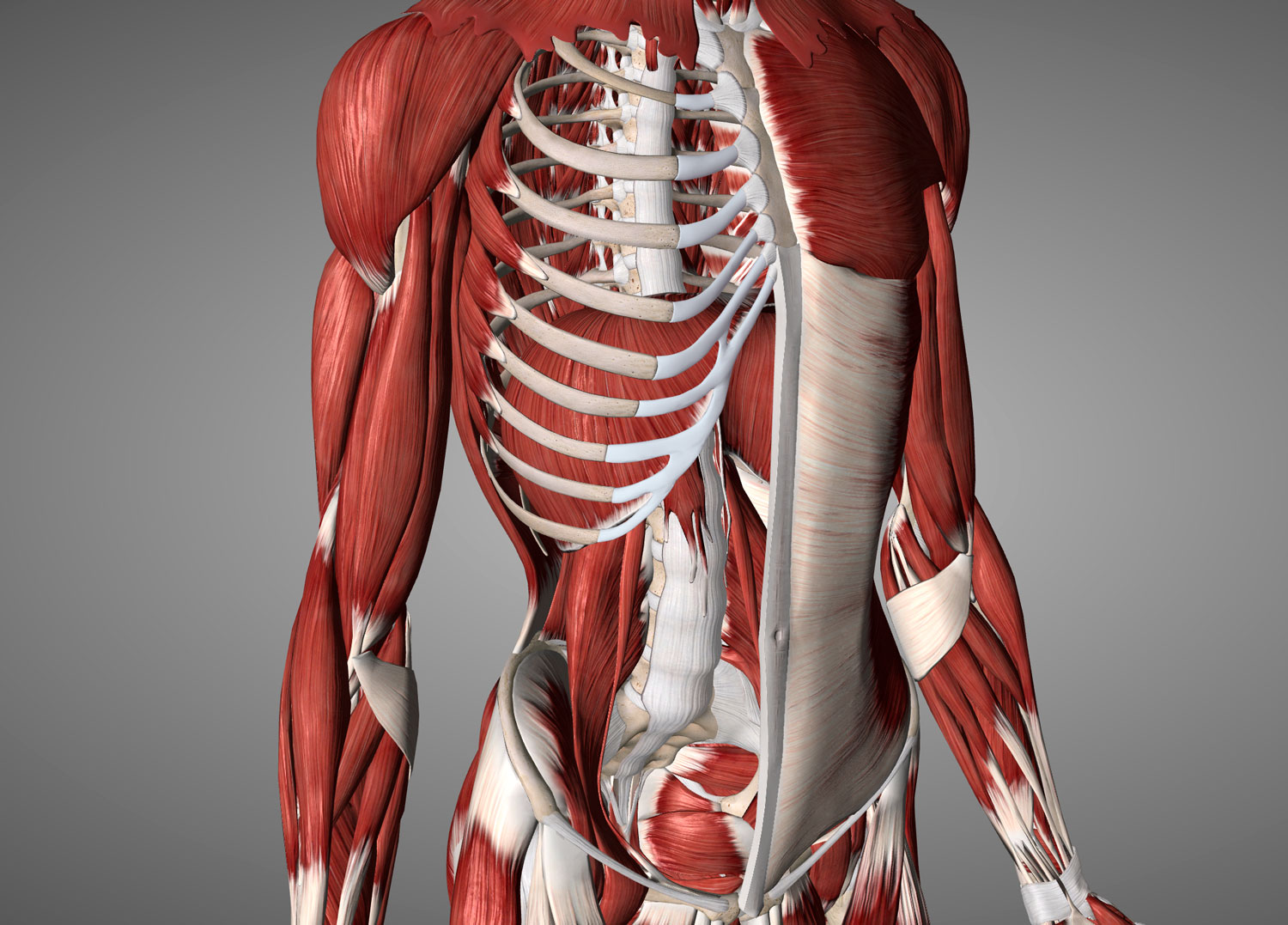
- Muscle Tightness and Reduced Elasticity: In cooler weather, your body conserves heat by constricting blood vessels in the extremities (vasoconstriction). This reduced blood flow leaves muscles, tendons, and ligaments stiffer and less pliable. Cold muscles react slower and absorb impact poorly, making sudden movements like stepping off a curb or reaching for a rake more likely to cause a tear or strain.
- Barometric Pressure and Joint Pain: Damp fall weather often accompanies drops in barometric pressure. As atmospheric pressure decreases, tissues surrounding the joints expand slightly. For individuals with arthritis, old sports injuries, or chronic joint stiffness, this expansion irritates sensitive nerve endings, causing noticeable pain and stiffness that limits range of motion and alters normal movement patterns.
- Delayed Nervous System Response: Cold temperatures slow nerve conduction velocity—the speed at which signals travel between your brain and muscles. A delay of even a fraction of a second in muscle activation can disrupt balance, stability, and reaction time during physical activities.
2. Autumn Environmental Hazards
It isn’t just internal physiology working against you during the fall months; the autumn environment introduces distinct outdoor hazards.
- Slick, Wet Leaves: A layer of wet, colorful leaves may look picturesque, but it acts like a layer of ice on sidewalks, driveways, and stairs. Leaf piles hide uneven pavement, potholes, and curbs, leading to ankle sprains, wrist fractures from break-a-fall reactions, and lower back trauma.
- Shorter Days and Low Visibility: As daylight hours shrink, morning and evening workouts or errands happen in twilight or total darkness. Reduced visibility makes it difficult to spot black ice, damp patches, or terrain changes until it’s too late.
- Overexertion During Yard Work: Raking leaves, clearing gutters, and hauling firewood are demanding physical activities. Performing these heavy tasks with cold, stiff muscles—often using poor lifting form—frequently results in acute lumbar strains, shoulder impingement, and repetitive strain injuries.
3. Practical Steps to Prevent Fall Injuries
Preventing seasonal injuries doesn’t mean staying indoors until spring. Incorporating a few simple habits into your daily routine will keep your joints protected and your body resilient.
- Prioritize a Dynamic Warm-Up: Never jump straight into vigorous activity or heavy yard work cold. Spend 5 to 10 minutes performing dynamic movements—such as arm circles, leg swings, gentle torso twists, and bodyweight squats—to increase core body temperature and drive blood flow to working muscles.
- Dress in Functional Layers: Wear moisture-wicking base layers to keep sweat off your skin, topped with an insulating layer to retain warmth. Keeping your core and major joints warm ensures optimal muscle elasticity and nervous system responsiveness.
- Inspect Your Footwear: Transition away from smooth-soled summer shoes. Choose footwear with high-traction rubber outsoles and deep tread to grip wet pavement and slippery leaf coverage safely.
- Practice Proper Lifting Mechanics: When clearing yard debris or moving heavy seasonal items, bend at your knees and hips rather than rounding your spine. Keep heavy loads close to your torso and avoid twisting while lifting.
- Stay Hydrated: Cold weather often suppresses your body’s thirst response, but dehydration reduces tissue elasticity and accelerates muscle fatigue. Drink water consistently throughout the day.
By recognizing how cold, damp fall weather impacts your joints and muscles, you can prepare your body and environment for the months ahead. A little extra warmth, dynamic movement, and environmental awareness will ensure you stay safe and mobile all season long.