
You rolled your ankle playing basketball or stepping off a curb years ago. The swelling went down, the bruising faded, and an MRI today shows clean, fully repaired tissue. Yet, whenever the weather turns cold, or after a long day on your feet, that exact same ankle throbs with a familiar ache.
If the physical ligament is completely healed, where is the pain coming from?
The answer lies in central sensitization—a state where your central nervous system keeps the “volume control” on pain turned all the way up, long after the physical injury has disappeared.
Pain is an Alarm System, Not a Damage Meter
To understand why healed tissue aches, it helps to rethink what pain actually is.
Most people assume pain is a direct measure of physical tissue damage: more damage = more pain. In reality, pain is a protective alarm generated entirely by your brain.
- Danger Signals: When you twist your ankle, nerve endings (nociceptors) send electrical signals up your spinal cord to your brain.
- Brain Evaluation: Your brain evaluates those signals alongside your environment, past experiences, and stress levels.
- The Alarm Sounds: If the brain decides your ankle is in danger, it creates the sensation of pain to force you to stop stepping on it.
Under normal conditions, as your ankle ligaments knit back together over 6 to 12 weeks, the nerve signals quiet down, and your brain turns off the pain alarm.
How the Alarm System Gets “Sensitized”
Sometimes, the alarm system gets stuck in hyper-drive. When an ankle sprain is severe, immobilizing, or particularly painful, the nervous system undergoes structural changes to protect you better next time. This process is called central sensitization.
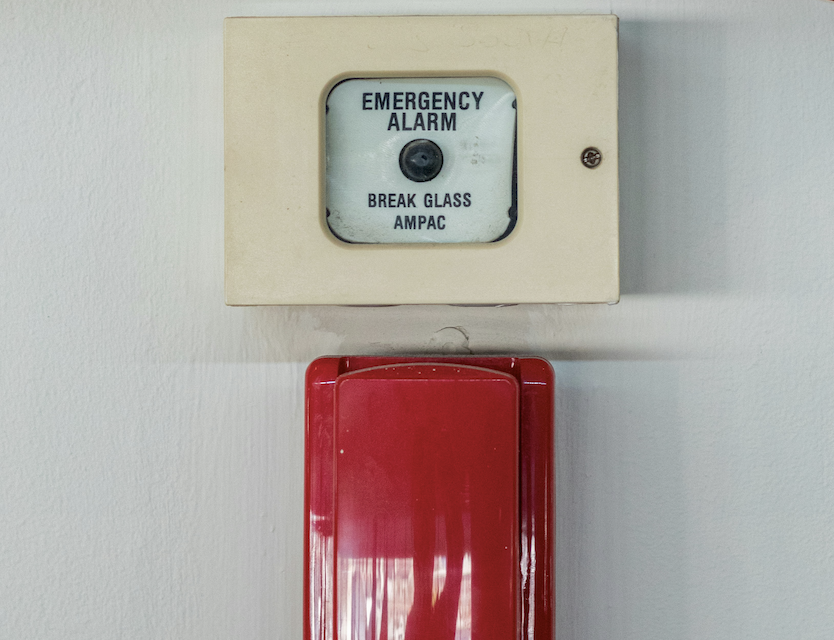
Think of it like installing a home security system:
- Normal System: The alarm goes off only when a door is kicked in (actual tissue damage).
- Sensitized System: The alarm sensitivity is turned up so high that a light breeze blowing against the window sets off the blaring sirens.
In a sensitized ankle, the nerve pathways running from your joint to your spinal cord become super-conductors. They produce extra receptors and fire danger signals under harmless conditions—like walking on uneven ground, changes in barometric pressure, or normal joint compression. The physical ankle tissue is fine, but the nerve wiring remains over-protective.
How to “Reset” a Sensitive Nervous System
Because the issue is neural rather than structural, rest and protective bracing won’t fix lingering ankle aches—in fact, treating the ankle like it is fragile only confirms your brain’s fear that it remains in danger and worsening the issue. Resetting the alarm requires retraining the nervous system:
- Graded Exposure: Slowly introduce the ankle to rotational movements, light impact, and various surfaces. Showing your brain that movement is safe calms down the protective alarm.
- Proprioception & Balance Drills: Sprains damage joint position sensors. Standing on one foot or using a wobble board restores clear sensory feedback to the brain, reducing its need to default to pain.
- Change the Narrative: Recognizing that lingering ache means “overprotective nervous system” rather than “my ankle is breaking again” removes fear—which directly lowers the neural volume on pain.
“it’s just an ankle sprain, I’ll be back playing in 2 weeks” is the exact mentality that turns a minor sprain into a long-term central issue. If you have an acute injury now or dealing with the effects of chronic joint pain, come see the experts at the Institute for Sports Physiotherapy and we will help to get you back into the game…pain free.