
It’s one of the most common complaints we hear in the clinic: “My sciatica is acting up again.” Patients come in describing a sharp, shooting pain, a dull ache, or a burning sensation that starts in their lower back or buttock and travels down the back of their leg. While “sciatica” is a widely recognized term, there is a major misconception about it that we need to clear up: Sciatica is not a medical diagnosis. It is an umbrella term for a symptom.
To truly fix the pain and keep it from coming back, we have to look past the label and identify the exact source of what is medically known as lumbar radiculopathy.
What is Radiculopathy?
The sciatic nerve is the longest and thickest nerve in your body. It is formed by a bundle of smaller nerve roots that exit the lower part of your spinal cord.
When one of these nerve roots becomes compressed, irritated, or inflamed, it triggers a chain reaction of pain, numbness, or tingling along the path of the nerve. This pain travels down the sciatic nerve, hence the term “sciatica”. This nerve root irritation is called radiculopathy and can happen in the upper extremities as well.
Saying you have sciatica is a lot like saying you have a cough. A cough tells us your respiratory system is irritated, but it doesn’t tell us why—it could be a common cold, allergies, or pneumonia. Similarly, sciatica tells us your sciatic nerve is irritated, but it doesn’t tell us what is pinching it.
The Usual Suspects: What is Actually Causing the Pain?
Because the sciatic nerve travels all the way from your lower spine down to your toes, there are several distinct reasons and places where it can get irritated. Treating sciatica successfully depends entirely on which of these culprits is responsible and addressing the root cause:
1. Lumbar Disc Bulge / Herniation
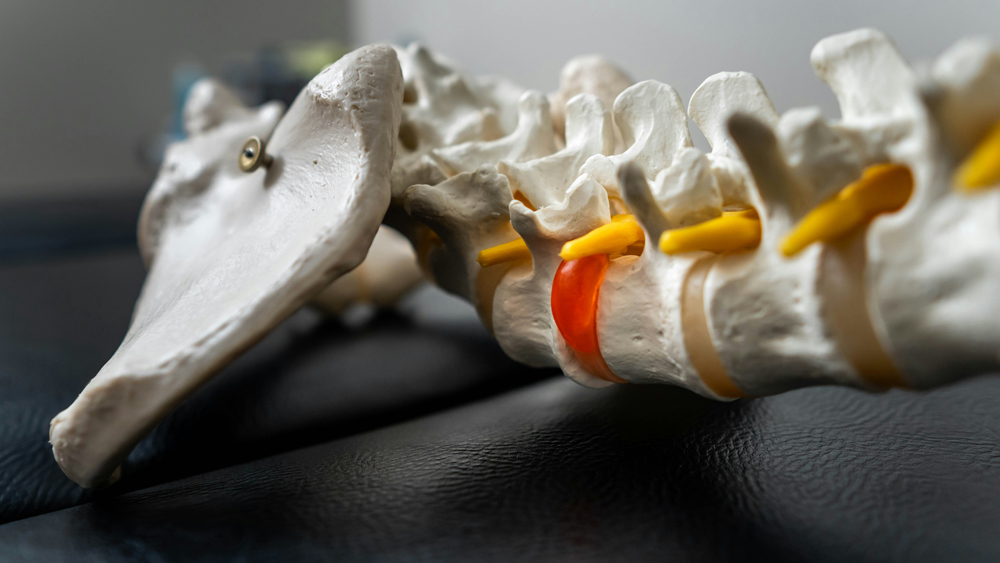
This is the most frequent cause we see in younger to middle-aged adults. The soft, jelly-like center of a spinal disc pushes through its outer ring and presses directly against a neighbouring nerve root. Usually following repetitive or heavy lifting / twisting.
2. Spinal Stenosis
More common as we age, spinal stenosis is a gradual narrowing of the spaces within your spine. This narrowing puts mechanical pressure on the spinal cord and nerve roots. This can be due to degenerative changes in the centre of the spine (Central Stenosis) or on the side of the spine where the nerve exits (Foraminal Stenosis).
3. Neural Tension
Sometimes, the spine isn’t the problem at all. The sciatic nerve runs directly under (and sometimes right through) a deep buttock muscle called the piriformis. If this muscle gets tight, spasms, or becomes inflamed, it mimics spinal sciatica perfectly by strangling the nerve in the gluteal region. There are several common “entrapment” points down the leg where nerves can be compressed, pulled on and irritated. Finding these and releasing the tension is vital if this is the underlying cause.
4. Spondylolisthesis
This occurs when one vertebra is pulled forward or backwards over the one below it, distorting the spinal canal and pinching the exiting nerve root. This is a more severe form of arthritis and is typically seen in older patients.
Why the “Why” Matters for Your Treatment
If you try to treat sciatica with a one-size-fits-all approach, treatment will fail or in the worst case, you might accidentally make your pain worse.
For example, if your radiculopathy is caused by a disc herniation, certain forward-bending stretches (like trying to touch your toes) can actually increase compression on the symptomatic nerve. However, if your pain is caused by spinal stenosis, forward bending often opens up the spinal canal and provides instant relief, while backward bending worsens it.
Furthermore, if your issue is neural tension, focusing entirely on your lower back won’t solve the problem (Unless the tension is coming from this area)—we need to target lumbar, pelvic an hip mechanics instead.
How Physiotherapy Targets the Root Cause
At the Institute for Sports Physiotherapy and Performance, we don’t just treat the shooting pain in your leg; we act as biomechanical detectives. During your initial assessment, we perform specific neurological and physical tests to pinpoint exactly where and why the nerve is trapped.
Once we uncover the root cause, we build a tailored management plan that may include:
- Targeted directional exercises to move the disc away from the nerve.
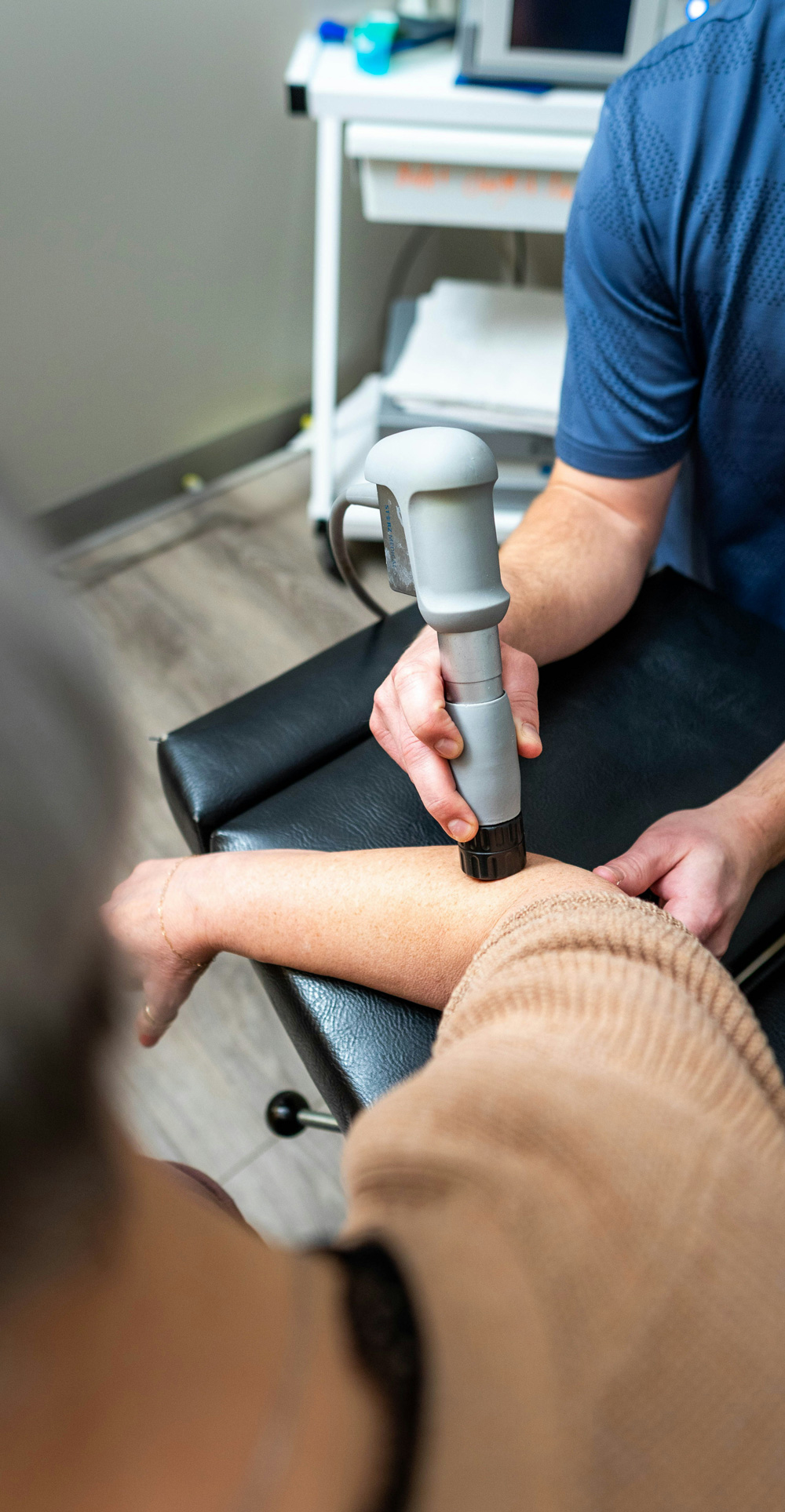
- Manual therapy to improve joint mobility in the spine or hips.
- Nerve flossing techniques to help the sciatic nerve glide smoothly through tight tissues.
- Core and pelvic stabilization to take the structural pressure off your lower back.
Stop guessing, start healing. If you’re tired of managing “sciatica” with temporary fixes, let’s find the true source of your radiculopathy. Book an assessment with our physiotherapy team today and get a roadmap to lasting relief.